
The American Gaming Association says the legal gambling industry made major progress against sweepstakes casinos in 2025 and is now turning more attention to prediction markets. In its latest industry messaging, the AGA grouped sweepstakes casinos with other unregulated gambling products and pointed to state bans, enforcement actions, and lawsuits as signs that the sector is being pushed back.
The comments matter because the AGA is one of the most powerful trade groups in U.S. gambling. Its position can shape how lawmakers, regulators, and licensed operators talk about new gaming products. For sweepstakes casinos, the message is clear: the regulated casino industry sees the model as a threat, not just a niche form of entertainment.
AGA Points to State Action Against Sweepstakes Casinos
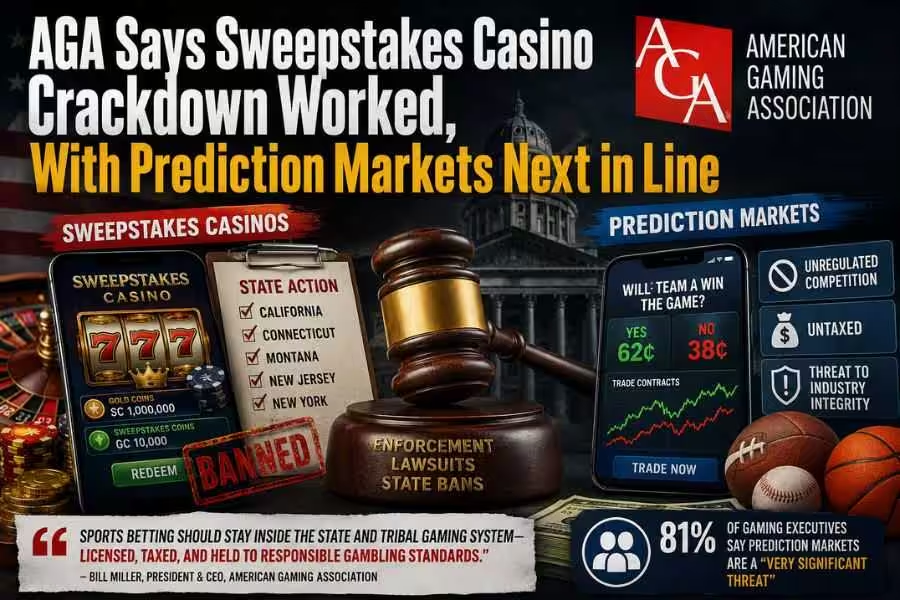
The AGA’s latest argument is that states have started to close the door on sweepstakes casino models. In 2025, several states passed laws specifically targeting these sites, including California, Connecticut, Montana, New Jersey, and New York. Other states used cease-and-desist letters or regulator warnings to push operators out.
The AGA has long argued that sweepstakes casinos look and feel too much like real online casinos. These sites often use a dual-currency system, where one coin is used for social play and another can be redeemed for cash or prizes. Operators usually say this is a promotional sweepstakes model, not gambling. The AGA and many state regulators disagree.
From the AGA’s point of view, these sites compete with licensed casinos without following the same rules. Regulated operators must meet standards for age checks, responsible gaming, game testing, tax payments, and licensing. The AGA argues that sweepstakes casinos avoid many of those requirements while still offering casino-style play, throwing the legality of sweeps casinos in doubt.
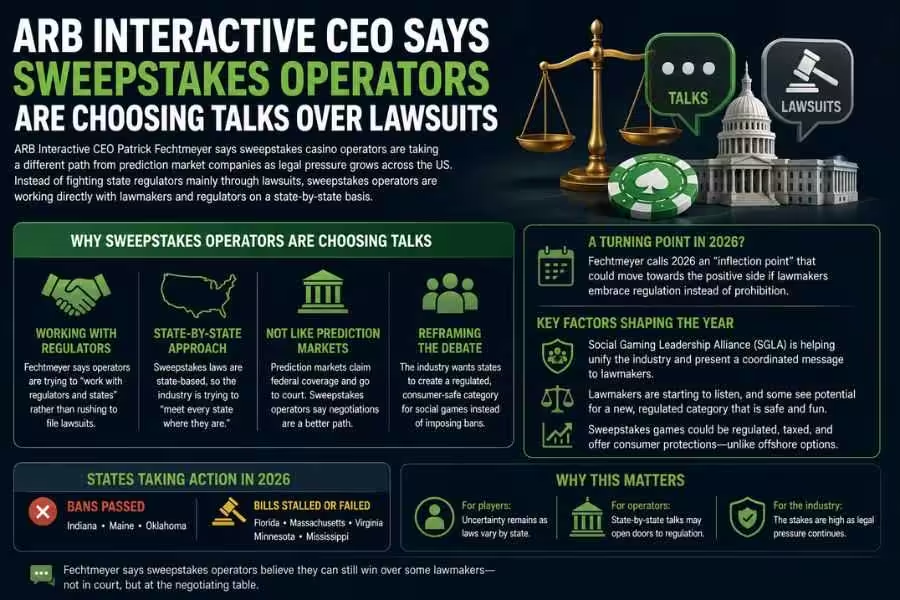
That argument has gained traction. In 2026, states including Indiana and Maine have already enacted sweepstakes bans, while others have moved bills forward. The AGA is now presenting that as proof that coordinated pressure can work.
Why Prediction Markets Are Now the Next Target
The AGA’s focus is shifting because another product has become more controversial: prediction markets. These platforms allow users to trade contracts based on future events, including sports outcomes. Companies in the space often argue they are offering financial event contracts, not sports betting.
The AGA sees it differently. In its latest industry outlook, 81% of gaming executives said prediction markets are a “very significant” threat to the regulated gaming industry. Executives also described them as unregulated and untaxed competition and warned that they could damage industry credibility.
AGA President and CEO Bill Miller has framed the fight as a question of fairness. His argument is that sports betting should stay inside the state and tribal gaming system, where operators are licensed, taxed, and required to follow responsible gambling rules.
That position has created a major industry split. Some major sportsbook brands have explored or entered the prediction market space, while the AGA continues to oppose sports event contracts. That means the fight is not just between regulators and outside companies. It is also creating tension inside the gambling industry itself.
What This Means for Sweepstakes Casinos
For sweepstakes casinos, the AGA’s comments show that pressure is unlikely to fade. Even if prediction markets become the next big fight, sweepstakes sites remain part of the same broader debate over unregulated online gambling.
The AGA’s success claim also gives lawmakers a blueprint. If state bans and cease-and-desist letters worked against sweepstakes casinos in some places, more states may try the same approach. That could mean more bills, more restricted-state lists, and more operators leaving markets before laws even take effect.
At the same time, sweepstakes operators and their supporters are still pushing back. They argue that their products are legal promotions, that free play is available, and that regulation would be better than bans. That debate is not over.
For players, the practical effect is uncertainty. Access can change quickly when a state passes a ban or sends enforcement letters. For the wider industry, the AGA’s message is simple: sweepstakes casinos were the first target, but prediction markets may now become the next major test of how far state-regulated gambling protections can reach.